The ambition
A map, a ship, a huge idea
The Imperial Trans-Antarctic Expedition was designed around a clear objective: cross the Antarctic continent from the Weddell Sea to the Ross Sea. Shackleton and his crew sailed aboard Endurance in 1914, carrying the equipment and supplies needed for an expedition that demanded patience as much as daring.
The turning point
The ship stopped being the plan
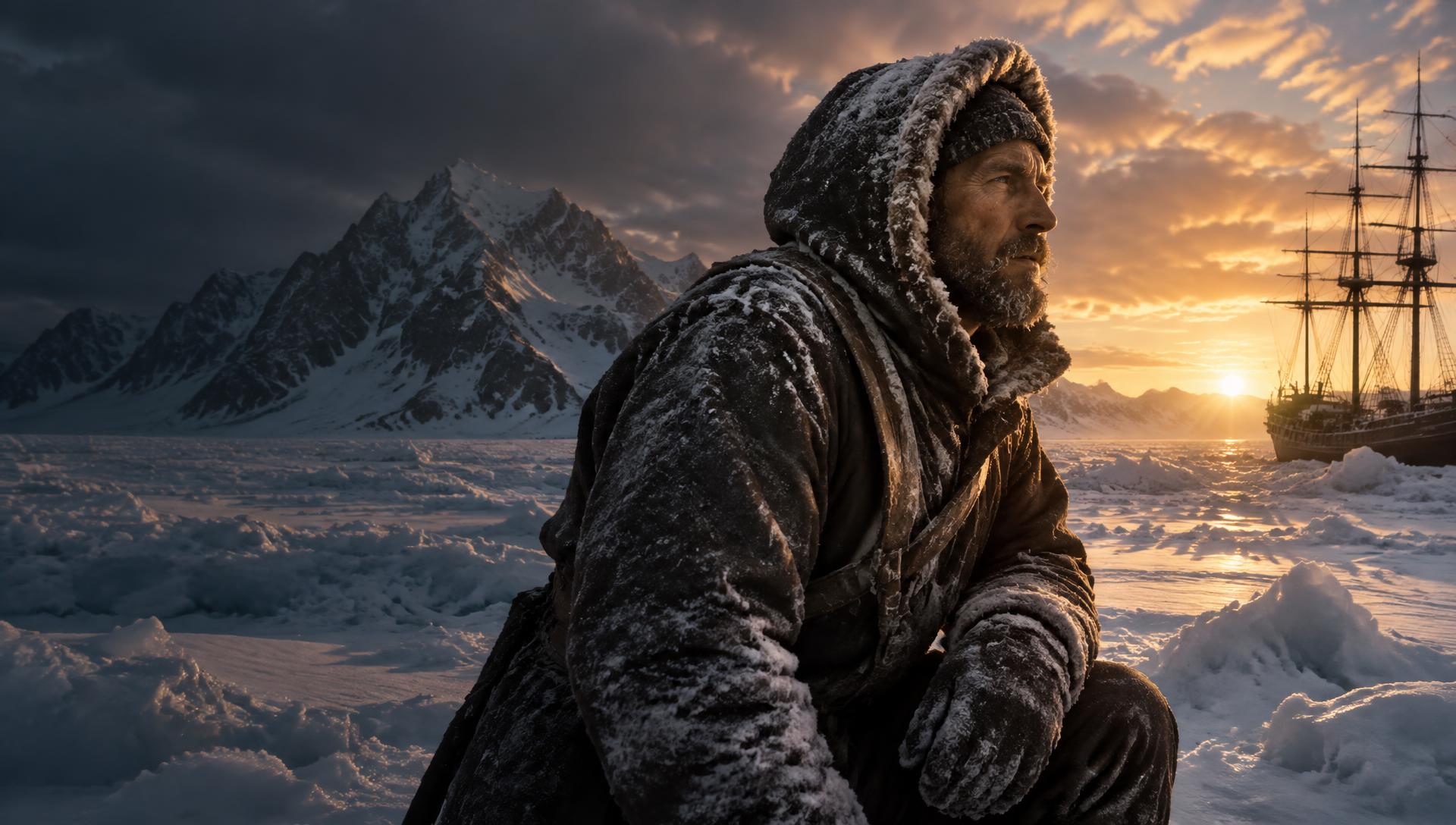
On 19 January 1915, Endurance became locked in the Weddell Sea ice. For months the ship drifted with the pack. In October, pressure from the ice crushed the vessel and the crew had to abandon it. The expedition could no longer follow the route it had been built for.
The middle
Waiting became part of the work
The crew spent months moving with the ice before they could reach open water. Their lives became a cycle of camp routines, work, meals, preparation and waiting. The point was not to pretend conditions were easy. It was to keep the group functional while the next opportunity remained uncertain.
When you cannot control the conditions, you can still influence the culture around you.
The decision
Success was redefined around people
After reaching Elephant Island in April 1916, Shackleton chose a small boat for the next stage: sailing the James Caird to South Georgia with five companions to seek help. The aim was no longer the original crossing. It was rescue.

The return
The expedition ended differently than planned
After reaching South Georgia, Shackleton organized the rescue of the men left on Elephant Island. On 30 August 1916, the remaining Endurance crew were rescued. The original objective had failed, but all 28 members of the expedition survived the ordeal.

What the life leaves behind
Lessons worth carrying forward.
Calm is contagious.
People notice how leaders respond when certainty disappears. A steady presence can create room for better decisions.
Morale is practical.
Routine, humor, shared work and connection are not decorations during uncertainty; they help a group keep functioning.
Change the goal when reality changes.
A plan is a tool, not a promise. When conditions change, redefine success around what matters most.
Focus on the next step.
You do not need to solve the entire journey at once. Find the next useful decision and make it well.
Today’s perspective
“I do not need perfect circumstances to choose a steady next step.”
Today’s small challenge
When something feels overwhelming, separate what you cannot control from the one decision you can make next.
A life becomes a story when we stop asking only what happened — and start asking what it can teach us.
Image credits & sources
Endurance archival image — Frank Hurley / Wikimedia CommonsLaunching the James Caird — Frank Hurley / Wikimedia CommonsExpedition history cross-checked with Royal Museums Greenwich and Library of Congress